Lima v2.3 release introduces native Windows virtualization and advanced networking capabilities for cloud-native development

The open-source project Lima, recognized for its role in simplifying the execution of virtualized Linux environments on local workstations, has officially released version 2.3. This milestone update marks a significant shift in the project’s technical trajectory, moving away from legacy dependencies like QEMU on Windows and introducing sophisticated networking and block-device management features across Linux and macOS. As a project under the Cloud Native Computing Foundation (CNCF), Lima’s evolution reflects the broader industry demand for seamless, performant, and secure local development environments capable of running containerized workloads and AI-driven applications.
Chronology of Lima’s Evolution
Lima, an acronym for "Linux Machines," began as a specialized tool designed to provide Mac users with a lightweight alternative to running container engines. By leveraging the native virtualization frameworks of macOS, it successfully lowered the barrier to entry for developers working within the cloud-native ecosystem.
The project’s growth accelerated significantly following its acceptance into the CNCF Sandbox in September 2022. This transition provided the project with institutional support and a wider community base, eventually leading to its promotion to the "Incubating" status in October 2025. The roadmap for 2026 focused heavily on platform parity. In July 2026, the v2.2 release introduced preliminary support for Windows guests, setting the stage for the deep architectural integration seen in v2.3, which debuted on November 6, 2026.
Architectural Overhaul for Windows Users
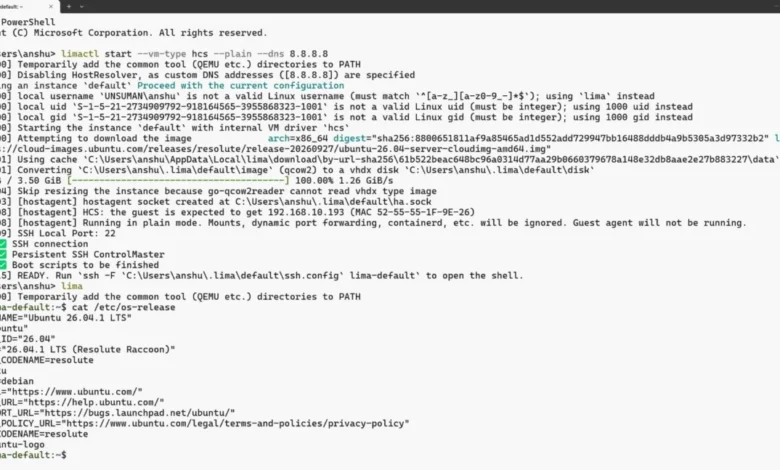
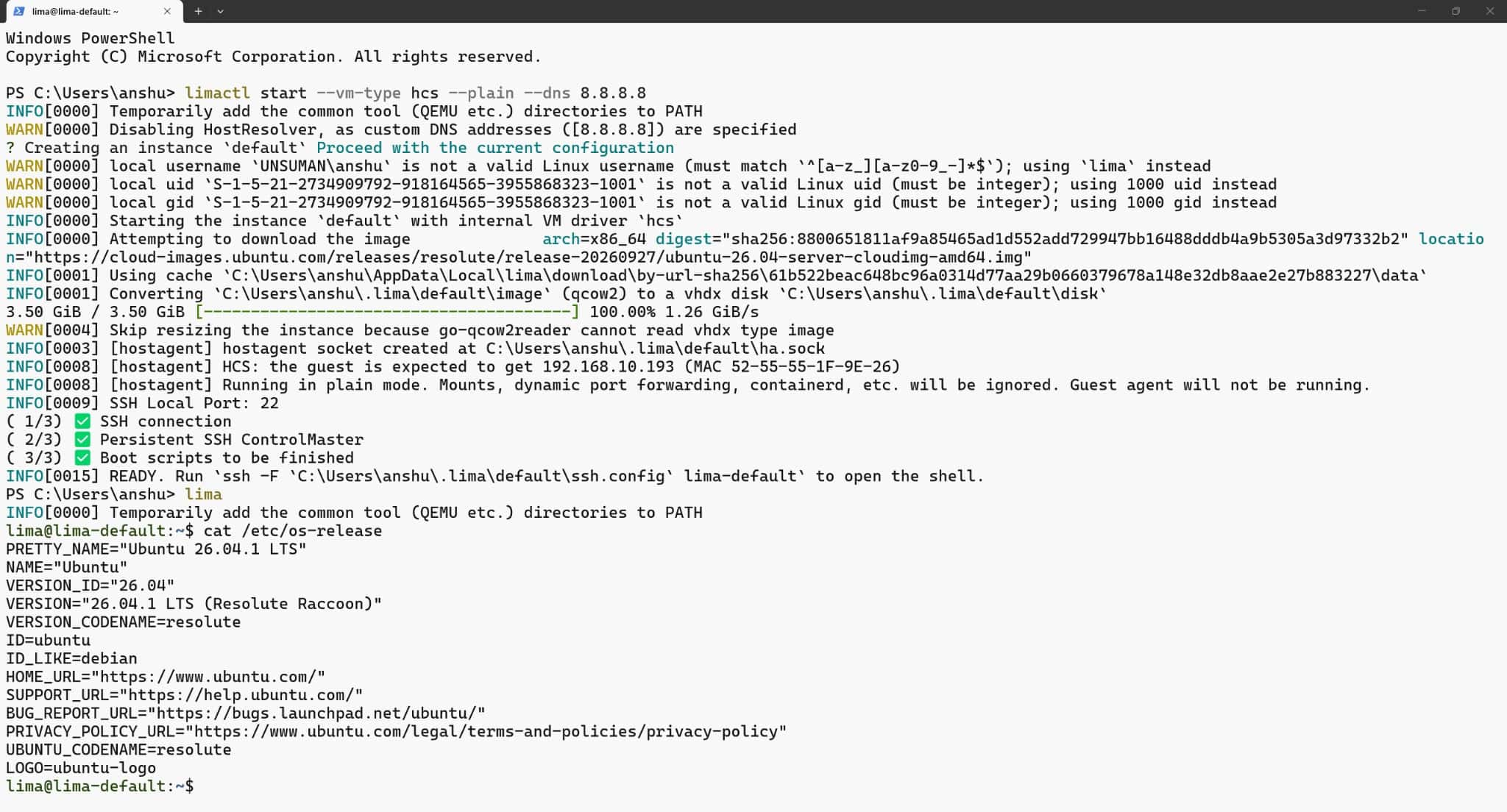
The most consequential update in v2.3 is the introduction of the experimental "hcs" driver. Historically, users on Windows platforms were limited to running Lima through either the WSL2 integration or a QEMU-based driver. These methods often introduced unnecessary complexity, including performance overhead and dependency management issues.
The new "hcs" driver allows Lima to communicate directly with the Windows Host Compute System (HCS) API. This is the same virtualization layer that powers Windows Subsystem for Linux (WSL2), effectively allowing Lima to run virtual machines with the same performance characteristics as Microsoft’s native solutions. By eliminating the requirement for QEMU and auxiliary Unix toolchains, the project has achieved a streamlined "zero-dependency" experience on Windows.
Technical experts within the community note that this development is a critical step in making Lima a "universal" development tool. For enterprise organizations that mandate Windows workstations, this allows developers to maintain a consistent Linux-based development workflow without the need for bloated virtualization software.
Networking and Storage Enhancements
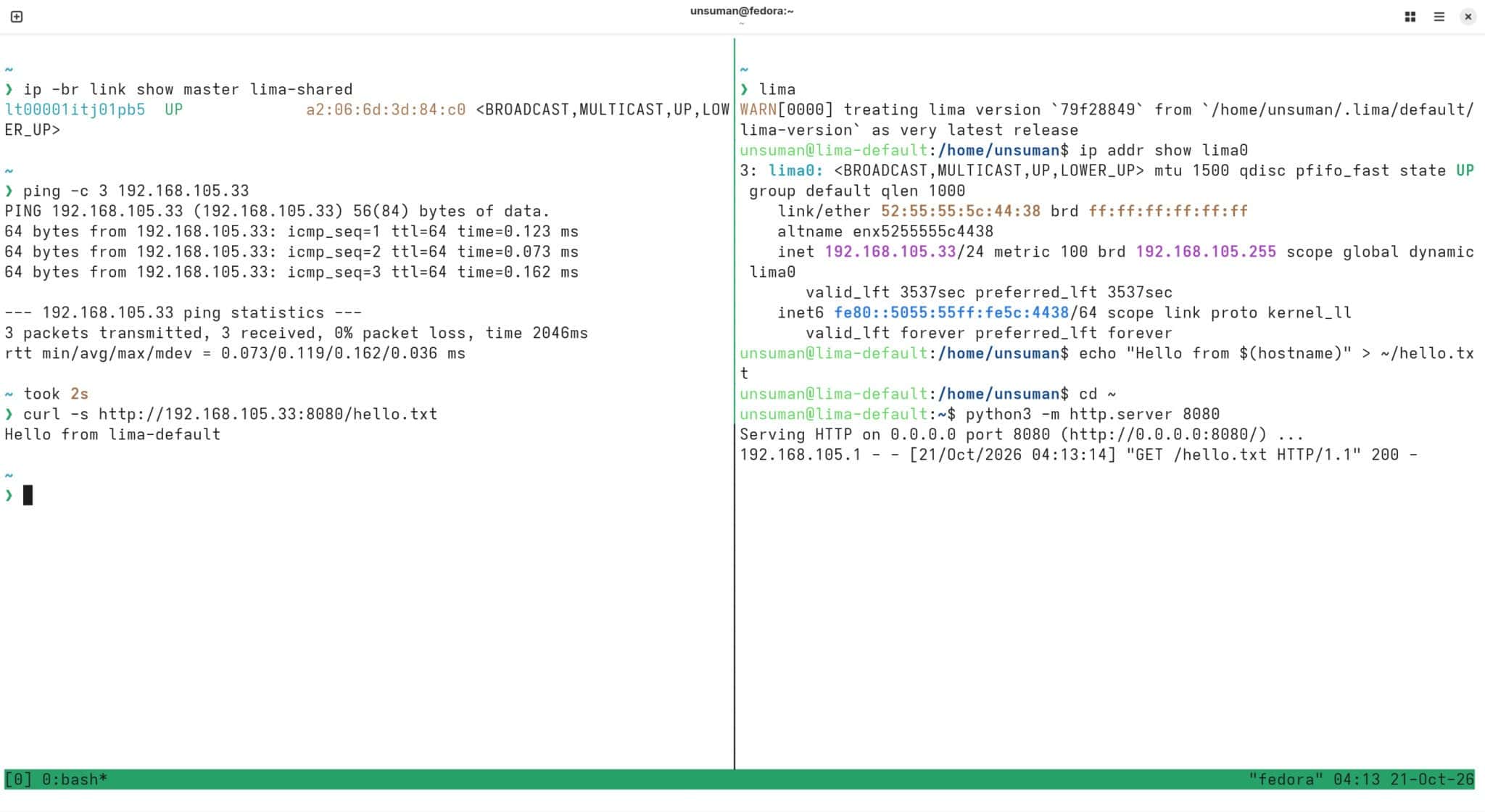
While the Windows update is the headline feature, v2.3 introduces significant improvements for Linux and macOS power users. On Linux hosts, the introduction of the lima-privileged-net helper addresses a long-standing parity issue. Previously, macOS users benefited from socket_vmnet, which provided virtual machines with a direct, routable IP address reachable from the host. Linux users were previously restricted to bridged or shared networks that lacked this degree of transparency.
The new privileged helper enables Linux hosts to assign real, host-accessible IP addresses to guest machines. This is particularly advantageous for developers testing complex microservices architectures where inter-service communication and host-to-guest networking are vital.
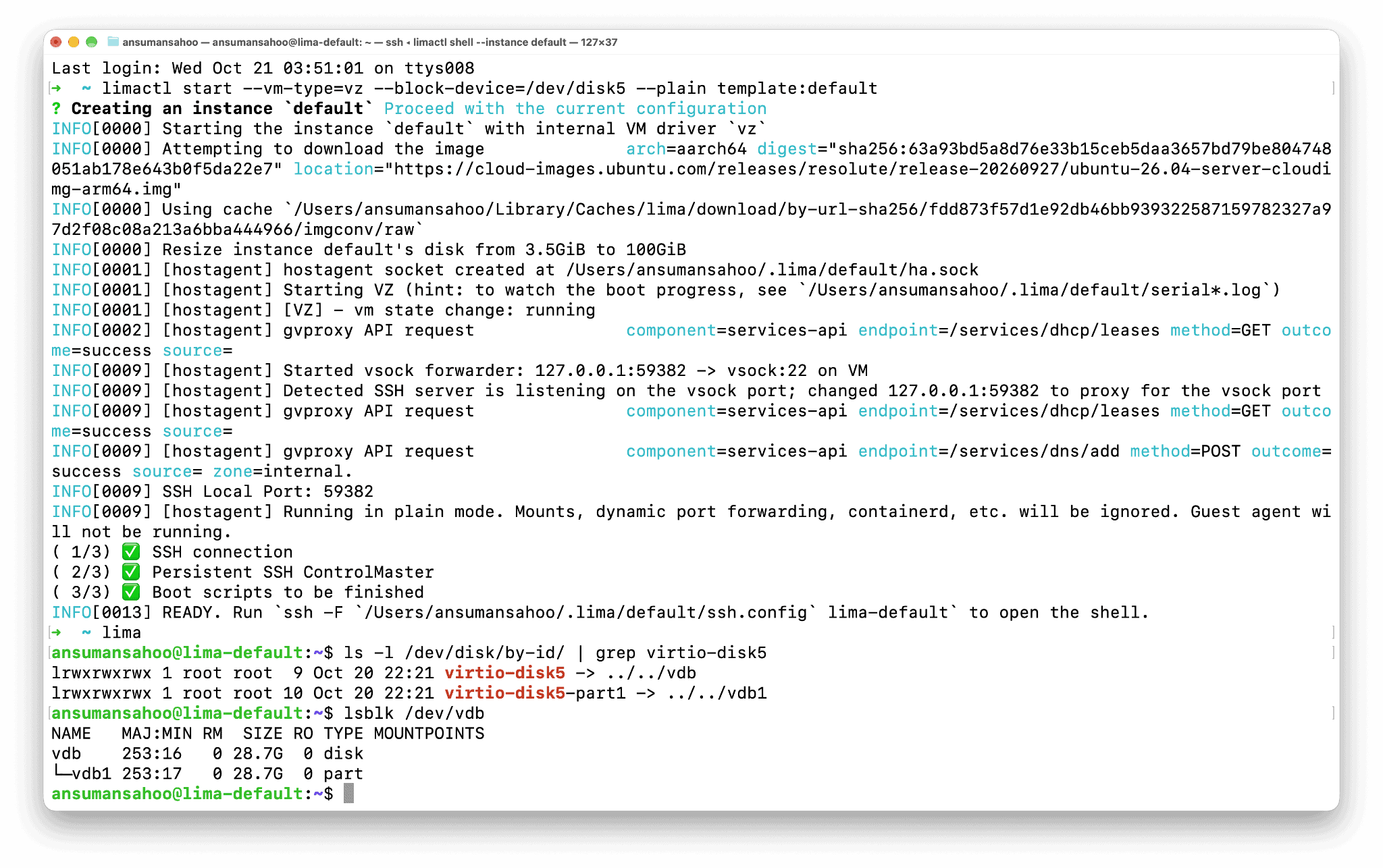
For macOS users, the release provides a sophisticated method for attaching raw block devices—such as external SSDs or USB drives—directly to VZ-based virtual machines. This bypasses the performance bottlenecks associated with file-share-based mounting. To ensure system integrity, the development team has implemented a security-first approach, requiring specific sudoers configurations to prevent unauthorized access to system-critical disks. This design ensures that raw disk access is scoped strictly to the intended device, mitigating risks associated with accidental data corruption or privilege escalation.
The Rise of the Terminal User Interface
In an effort to improve accessibility for developers who prefer interactive tools over command-line flags, v2.3 introduces an experimental terminal user interface (TUI) accessible via the limactl menu command. This interface provides a color-coded overview of running instances, CPU and memory utilization, and architectural details.
Industry analysts suggest that such features are indicative of the "maturation" phase of open-source tools. As projects transition from niche utility scripts to foundational infrastructure components, the focus naturally shifts from core functionality to developer experience (DX). By providing an interactive management layer, the Lima project aims to lower the learning curve for new users, thereby increasing its adoption rate among junior developers and those transitioning from legacy virtualization platforms.
Security and AI Integration
The rise of AI-powered coding agents has necessitated more robust sandboxing capabilities. Lima has increasingly become a preferred tool for developers running local LLMs and agentic workflows, which require secure, ephemeral environments. Version 2.3 enhances these capabilities by refining file synchronization protocols. Developers can now utilize .limasyncignore files to exclude heavy directories, such as node_modules or .git folders, during synchronization processes. This optimization reduces the I/O load on the host machine, resulting in faster performance for resource-intensive AI tasks.
The security implications of these features are significant. By ensuring that AI agents run within isolated, reproducible, and easily disposable environments, developers can experiment with untrusted code or complex dependencies without jeopardizing the security of their host operating system.
A Community-Driven Milestone
The v2.3 release is also a testament to the success of the LFX Mentorship program. Mie Tokunaga, a mentee during the 2026 Term 2 cycle, played a pivotal role in the development of the Windows guest support and the HCS driver. Her contributions, ranging from automatic PATH configuration to the implementation of the provisioning engine, were instrumental in hitting the v2.3 release targets.
This success story underscores the collaborative nature of CNCF projects. By fostering direct mentorship between maintainers and new contributors, Lima has managed to sustain a rapid development cadence while maintaining the high quality of code expected of an incubating project.
Broader Implications and Outlook
The release of Lima v2.3 arrives at a pivotal moment for cloud-native development. As organizations move toward "platform engineering" models, the ability to provide developers with standardized, high-performance local environments that mirror production-grade Linux infrastructure is invaluable.
Looking ahead, the project’s presence at KubeCon + CloudNativeCon North America 2026, where maintainers will discuss "Lima as the Universal AI Sandbox," signals a clear strategic intent. The project is positioning itself not merely as a container runner, but as a holistic solution for the diverse virtualization needs of modern software engineering.
For developers and systems architects, the implications of v2.3 are clear: Lima is moving toward a future where the underlying host operating system—be it Windows, macOS, or Linux—becomes increasingly irrelevant to the development workflow. By abstracting the complexity of virtualization through a unified API and consistent toolset, Lima is effectively reducing the "it works on my machine" friction that has historically plagued the industry.
As the project continues to evolve, the focus will likely remain on stability, security, and further integration with the broader CNCF ecosystem. With its promotion to Incubating status and a robust roadmap for the remainder of 2026 and beyond, Lima stands as a primary example of how open-source collaboration can solve fundamental infrastructure challenges in a rapidly shifting technological landscape. For those currently utilizing older versions, the transition to v2.3 is highly recommended, particularly for Windows-based developers seeking to leverage the new HCS-driven architecture.
Related posts: